
Bookkeeping for Plumbing Companies: Best Practices for Success
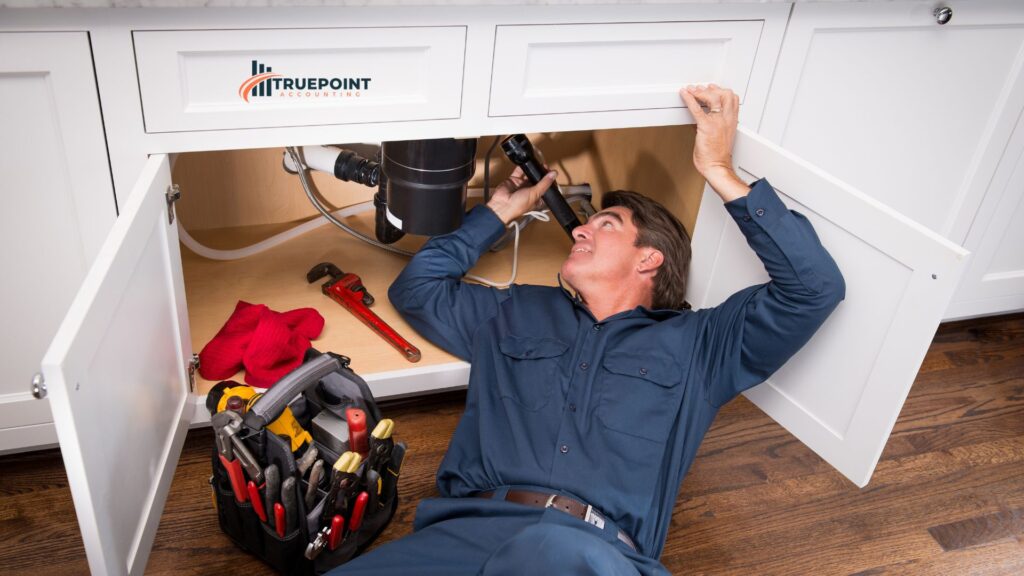
As a plumbing business owner, you’re used to solving problems under pressure—whether it’s a burst pipe, a clogged drain, or an emergency call at 2 a.m. But when it comes to managing your business finances, a lot of plumbers let things back up.
That’s where proper bookkeeping comes in.
At TruePoint Accounting, we work with plumbing companies to help them organize their finances, improve cash flow, and maximize profits. Whether you’re running a solo operation or managing a team of technicians, these bookkeeping best practices will keep your business flowing smoothly.
💡 Why Bookkeeping Is a Must for Plumbing Companies
Plumbing businesses deal with:
-
Service calls at varying price points
-
Inventory of parts and tools
-
Employee or subcontractor labor
-
Fuel and vehicle expenses
-
Seasonal highs and lows
Without solid bookkeeping, it’s hard to know:
❌ Which jobs are profitable
❌ Where money is being lost
❌ How much you’ll owe in taxes
❌ Whether you can afford to hire or grow
✅ 1. Track Income and Expenses by Job
Every plumbing job has different material costs, labor needs, and profit margins. If you don’t know which jobs are most profitable, it’s easy to price incorrectly or overspend.
Use job costing to:
-
Assign labor and materials to each project
-
Compare estimated vs. actual costs
-
Identify which services bring in the most profit
💡 Example: A plumbing business reviewed their job reports and found water heater installations had the best margins—so they began marketing those services more.
✅ 2. Separate Personal and Business Finances
Mixing business and personal spending makes tax time a nightmare and can cause you to miss legitimate deductions.
Best practices include:
-
Opening a business checking account and credit card
-
Paying yourself through a draw or payroll
-
Logging all business expenses (even small ones!)
💡 Example: A plumber who separated finances and logged all truck-related expenses saved over $3,500 in tax deductions by accurately claiming fuel, insurance, and maintenance.
✅ 3. Use Mobile Tools for On-the-Go Bookkeeping
Plumbers are rarely sitting at a desk, so your bookkeeping system should work on the go.
Look for features like:
-
Mobile receipt capture
-
Invoice creation in the field
-
GPS mileage tracking
-
Integration with scheduling or dispatch apps
💡 Example: A tech snapped a photo of a material receipt, categorized it in the app, and it was ready for bookkeeping—no paperwork to worry about later.
✅ 4. Stay on Top of Invoicing and Payments
Unpaid invoices can quickly lead to cash flow problems. A good bookkeeping system keeps you in control of receivables.
Pro tips:
-
Send invoices immediately after completing a job
-
Set clear payment terms (Net 15 or Net 30)
-
Use automated reminders for overdue payments
-
Accept digital payments for faster turnaround
💡 Example: A plumbing company that implemented automatic invoice reminders reduced their average payment time by 10 days.
✅ 5. Categorize and Monitor Expenses
From fittings to flashlights, small purchases add up. By categorizing all expenses, you can better manage your budget—and prepare for tax season.
Track categories such as:
-
Parts and materials
-
Tools and equipment
-
Fuel and vehicle maintenance
-
Marketing and advertising
-
Training and certifications
💡 Example: A company noticed tool purchases were higher than expected. After reviewing the books, they created a shared inventory system—cutting costs by 15%.
✅ 6. Plan Ahead for Taxes
Tax season shouldn’t be a surprise. With proper bookkeeping, you’ll always know where you stand and can avoid overpaying or being hit with penalties.
Tips:
-
Set aside a portion of income for taxes
-
Log all deductions throughout the year
-
Track contractor payments for 1099 filing
-
Work with a bookkeeper for quarterly reviews
💡 Example: A business owner who logged deductions year-round and did a Q4 tax review avoided a surprise bill—and got a bigger refund.
🔍 Final Thoughts: Lay the Financial Foundation
Just like plumbing systems need good design and maintenance, your business needs a strong financial structure. Bookkeeping isn’t just about compliance—it’s about building a business that’s profitable, sustainable, and stress-free to manage.
At TruePoint Accounting, we specialize in helping trades like plumbing businesses take control of their finances. Whether you’re catching up or starting fresh, we’re here to help.
💬 Want help getting your plumbing business financially organized? Visit TruePoint Accounting and let’s chat.
📣 Plumbers—what’s your biggest bookkeeping challenge? Share it in the comments and let’s solve it together. 🔧📊💼
